
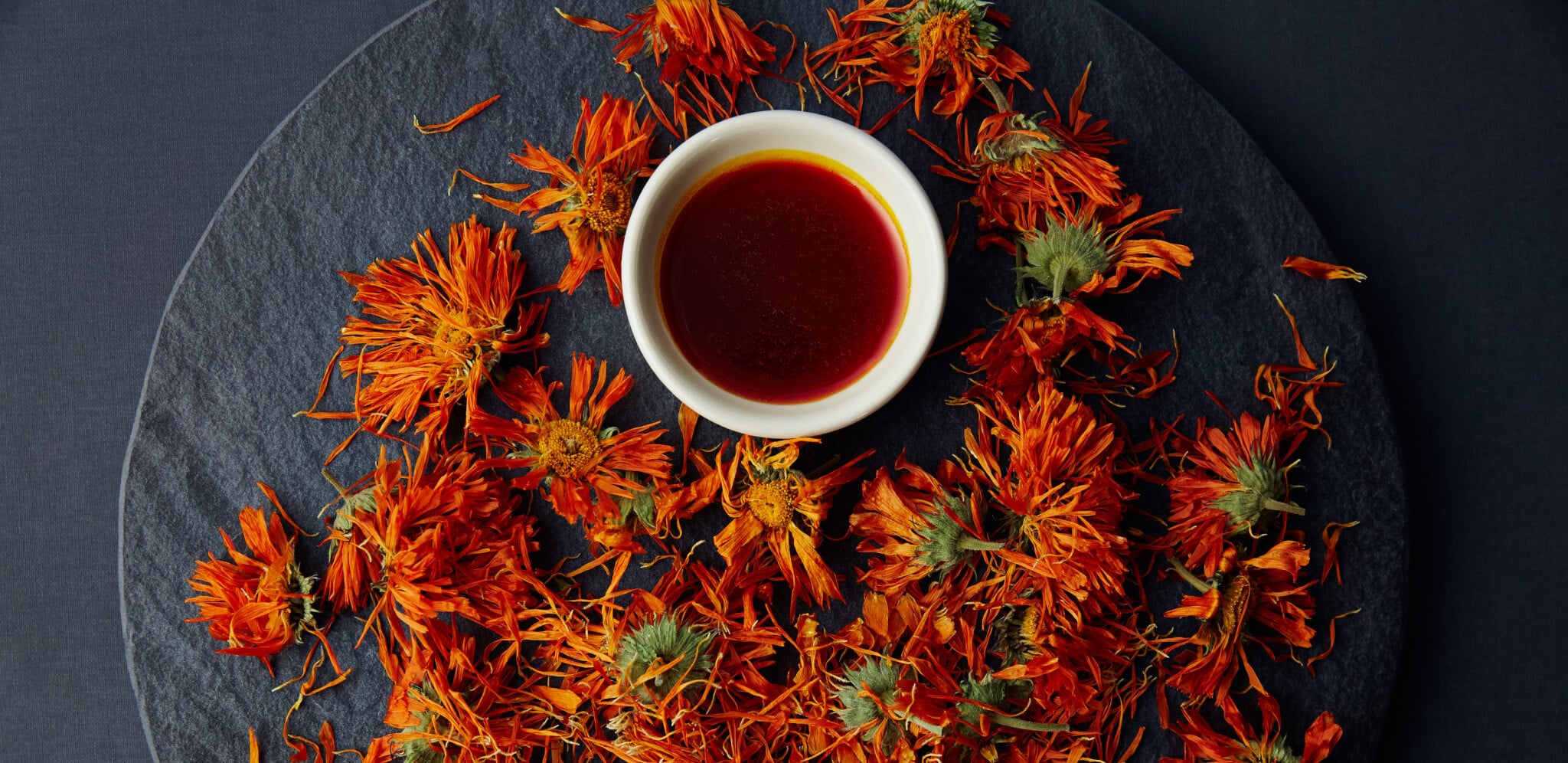
Nope, PLANTS ARE NOT A SUNSCREEN.
However, plants have the ability to help support and protect your skin in multiple ways against varying types of UV induced damage, including oxidation and inflammation. Every year I speak to this. And every year my posts get a little bit more vague and my voice gets a little quieter as our following grows. The state of the beauty and wellness industry can be divisive and polarizing, leaving little space for nuance and subtleties. My thoughts on plants and sun care will undoubtedly upset some. I share this with unapologetic gratitude for the voice that I have, confidence in the research I’ve done, and joy from all the individuals who have shared their sun and skin journeys with me.
What is Sunscreen?
A sunscreen must be made with an FDA approved sunscreen drug, like Zinc Oxide, Titanium Dioxide, Oxybenzone, Avobenzone, etc. The only one I use on my own skin at this time is Non-Nano Zinc Oxide, because the others have more varying degrees of controversy around them. The state of Hawaii banned the chemical sunscreen Oxybenzone, because of the indisputable harm it is doing to sea life and coral reefs. Non-Nano Zinc Oxide is a physical mineral sunscreen that sits on the surface of the skin preventing the legally required amount of both UVB and UVA rays from penetrating through its Zinc barrier.
How Plants Protect Against Harmful UV Rays
Now let’s talk about plants. Plants do not physically block UV rays like Zinc does, at least not in the same foolproof manner. They work by improving the health and defense mechanisms of the skin. They address how our cells respond to UV rays. In excess, especially in vulnerable individuals, the sun can cause oxidative damage and inflammation to the skin. Fresh, unrefined plant material has the ability to prevent some lipid oxidation, prevent some inflammation, and the plants’ own phytochemicals can absorb some excessive UV rays themselves. I say “some” because their ability to do this depends on a multitude of factors, including the health of the individual person.
Plants have a strong relationship with the sun. They have to. They aren’t able to seek shade, wear a hat, or lather on physical barriers. They must develop their own phytochemical defenses to protect their own cells from UV induced damage. And it’s the same phytochemicals that plants use to protect themselves that you will find in our whole plant products, such as carotenoids, flavonoids, polyphenols, vitamin C, vitamin E, a specific range of fatty acids, lipids, and more.
Can We Use Plants Like a Sunscreen?
While plants can assist in preventing UV damage, there are many other factors to consider before relying on them. What is your diet like? Is it rich in fruits, vegetables, and healthy fats? What is your overall health like, do you have an autoimmune or could you be fighting high levels of inflammation already? What is your stress level like? Are you in your daily routine, or are you on vacation in an area closer to the sun or doing an atypical outdoor activity? Are you well hydrated? How long do you plan to be in the sun? If you are the type of person who considers all these sorts of factors, then you might enjoy relying on plants for support during your time in the sun. If you don’t want to consider any of that and just want to enjoy your tropical vacation with fewer mental gymnastics, then you are probably someone who needs to apply a daily zinc-based sunscreen. Plants are helpers. They will support your health and minimize damage to the best of their ability, but they are not a foolproof barrier for the sun’s rays. If you are already overburdened with inflammation and free radical activity, then they are not a good option for you because their resources will be spent addressing that pre-existing burden.
What Laurel Products Aid in Protection From UV Induced Damage?
The Sun Body Oil and Sun Serum are formulated with each plant carefully chosen for its proven research in preventing and/or repairing UV damage. However, all of our products contain helpful carotenoids, flavonoids, vitamins, and antioxidants; specifically, our Elixirs in combination with the raw unrefined oils that we use in our Serums and Balms. Plants that have the best defense have a well of both oil and water loving nutrients to draw from, and we need that too. By using our products every day, you are filling up those nutrient reserves, so that your skin has more to draw from when it’s in more vulnerable situations. Using these products doesn’t mean you can do whatever you want in the sun and not get sun damage or sunburn. Using these products does mean your skin will be healthier, stronger, and less susceptible to damage or sunburn.
My Own Personal Choices
I’ll end with: I wear sunscreen, but only when I feel called to based on my own internal compass. Often people are under the impression that I don’t ever wear sunscreen, because I speak so openly about how I enjoy relying on plants, and I believe in their capabilities to prevent UV-induced oxidative stress and inflammation within reason. That said, wearing a barrier of a vaporized metal substance (Zinc Oxide) on my skin everyday? That sounds less than pleasant. I wear sunscreen most often when I am on vacation or in an atypical outdoor environment where I am unable to seek or unwilling to seek shade for extended periods of time – these activities are separate from my normal daily routine. I also might choose to wear sunscreen if I’m not feeling my best, haven’t been eating well lately, or am feeling dehydrated. I like Badger Sunscreen the best, because it has the fewest ingredients and is the closest to being a whole plant product, like the other products I use on my skin. However, if you don’t want to wear a thick barrier of white paste, both Honua and Blissoma make more elegant, beautiful reef-safe/ocean-safe sunscreens that let your beautiful skin tone shine through with a more sheer Zinc barrier.
I’m not sure when this conversation became a divisive one. It is fascinating how much research is out there on benefits from daily moderate sun exposure, yet speaking about that is becoming more restricted and more polarizing. Significant research points to small increments of sun exposure resulting in increased vitamin D levels, a reduction in the risk of multiple cancers, a more resilient immune system, and so on.
For now, keep radiating joy and gratitude from every cell; gratitude for plants, for hard truths, for self expression, and for the sun. And most importantly, follow your inner compass!
xo laurel

Leave a Reply